Rattlesnakes and Their Bites
Spring Rattles In
Spring is one of the most beautiful times of the year in the desert, but it can also be a time for caution. Rattlesnakes lie dormant during the cold fall and winter months and awaken from hibernation in the warm months of March and April.

Rattlesnake Statistics
- Approximately 8,000 people a year are bit by venomous snakes in the U.S. 9-15 victims die. (FDA)
- 25% of adult rattlesnake bites are dry, with no venom injected. (Brown, 1997)
- Rattlesnakes can only strike a distance equal to 1/2 their own length
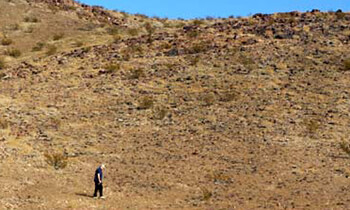
Last year in March, over one weekend, I saw three rattlesnakes while working outdoors in a semiarid region of Southern California. That same spring I saw a few more baby rattlers in various areas of the 20-acre property where I live. Many of my friends have never encountered a rattlesnake and seem quite nervous when they visit my home. Cautiously, they stay on the main roads or trails and frequently look about them as if waiting for a 6-foot-long predator to jump out of the shrubs and attack them.
After hearing my tale of the three rattlers, my uncle, who was visiting from the Midwest, insisted on wearing cowboy boots whenever he walked about the property. The funniest part was how he stylishly tucked his pants inside the boots and confidently strolled through the shrubs looking for trouble.
Luckily, he never encountered any rattlers, but I sure did get a kick out of his snake hunting outfit. He was smart to wear boots, because they help protect your lower legs from snake bites and are a good precautionary measure. I don't encourage rattlesnake hunting or handling since the highest bite rate occurs to individuals who participate in these dangerous activities.
Rattlesnakes are seen most frequently during the spring when they are coming out of hibernation, and in the fall when they are returning to their dormant homes for the cold winter months.
In the desert, when temperatures are high, rattlesnakes are more active at night. Rattlesnakes have no control system for their body temperature and cannot handle excessive heat, so they remain underground during the day, hidden in burrows, under rocks or in the shade of shrubs. In the spring and autumn, when daytime temperatures are milder than summer months, rattlesnakes are seen sunbathing on rocks or hunting for food during daylight hours.
General Rattlesnake Characteristics
Rattlesnakes have triangular-shaped heads, which are broader than their necks. Their trademark is a rattle on the end of their tail, which serves as a warning signal when they feel threatened. Rattlesnakes don't rattle their tails when hunting, and they don't always rattle their tail when taken by surprise. Don't depend on a warning rattle to alert you that a rattlesnake is nearby.
The rattle is made of a brittle material which can break off or become damaged, so you can't rely on a rattlesnake's rattle as the sole method for identification. Baby rattlesnakes are born without rattles. They don't form the first segment of their rattle until one to two weeks of age when they shed their skin for the first time. Each time a rattlesnake sheds its skin, which can occur two to three times per year, a new section is added to the rattle. You can't tell the age of a rattlesnake by the number of rattles on its tail.

Other identifying characteristics of rattlesnakes are their eyes, which have vertical pupils, and the two pits found beneath their nostrils. The pit characteristic classifies rattlesnakes as part of the pit viper family of snakes, the Crotalinae, which is actually a subfamily of Viperidae, or the viper family. Crotalinae also includes copperheads and water moccasins (cottonmouths).
Pit vipers are snakes which have two pits under their nostrils to detect heat, thus enabling the snakes to hunt warm-blooded prey. The pits are so sensitive that the snake can determine the size of the warm-blooded animal and can even detect prey in complete darkness.
Once you have determined the snake is a rattlesnake, which of the 16 distinct varieties and numerous subspecies is it? The coloring and pattern of the snake’s skin is helpful when trying to identify the species. Size is another factor in determining the age and species of the snake. The geographic location will also help determine the species since a limited number of rattlesnake species are found in different regions. Diamond patterns, colors, speckles, stripes near the face or tail and numerous other details help determine the specific species of a rattlesnake.
If you are faced with the task of identifying a rattlesnake, take note of the dominant colors in the snake's skin, and the patterns of its skin. Descriptive details such as, "black diamonds, red diamonds, light in color with speckles, green in color," and similar information may help a medical professional or poision control center evaluate a snakebite trauma for the best method of treatment.

The venom is injected through the fangs which puncture the victim's skin.
Rattlesnake Venom and Bite
The venomous bite of a rattlesnake evolved as a tool for hunting and killing prey. The venom not only kills but also begins the digestive process by breaking down the tissue with hemotoxic components. The hollow fangs of a rattlesnake unfold from the roof of the snake's mouth when it strikes its victim. The venom is injected through the fangs which puncture the victim's skin. This advanced method of venom injection is a common characteristic of all members of the pit viper family.
The hemotoxic elements damage tissue and affect the circulatory system by destroying blood cells, skin tissues and causing internal hemorrhaging. Rattlesnake venom also contains neurotoxic components which immobilize the nervous system, affecting the victim's breathing, sometimes stopping it. Most rattlesnakes have venom composed primarily of hemotoxic properties. Baby rattlesnakes and the Mojave rattler are the exception; they have venom which contains more neurotoxic properties than hemotoxic -- which makes them very dangerous. The sea snake, coral snake, and cobra, all members of the Elapid family of snakes, also have venom with dominant neurotoxic characteristics. (Brown, 1997)
Rattlesnakes only hunt for prey which they can swallow whole, such as small squirrels, rabbits, and other small rodents. They will not intentionally hunt and strike a large animal, including humans, unless they feel threatened.
Rattlesnake Identification
It's a good idea to learn to identify a venomous snake in the event you encounter or are bitten by one. The venom in rattlesnake species varies, and there are different treatments for the spectrum of species and venomous snake families. Each bite is treated differently based on the seriousness of the bite and the individual's reaction to the venom. Proper identification of a snake will help medical professionals and poison control centers know how to best treat the victim.
Some professionals recommend that the snake be killed and brought into the hospital with the victim for identification. This is, however, a controversial recommendation and not supported by all medical professionals due to the timing and danger of killing the snake once an individual has been bitten. If you do kill a rattlesnake, be very careful. Do not attempt to kill the snake if it puts you or someone else at risk of being bitten. Even after a rattlesnake is killed, the snake's head is still capable of biting and injecting venom, so be VERY careful.
Video
Antivenin
There is an antivenin (or antivenom) which is derived from the antibodies in a horse's blood serum when the animal is injected with snake venom. Some individuals develop serious allergic reactions to the antivenin, therefore patients treated with it need to be monitored closely.
Click on the links below for more detailed information.
If you need help with a venomous bite or if you have a poisoning emergency, call your Poison Center immediately. If the victim has collapsed or is not breathing, call 911. Poison Centers across the country now have a new national emergency phone number - 1-800-222-1222.
Bibliography
- Poisonous Dwellers of the Desert, Dodge, 1976.
- A Field Guide to Snakes of California, Brown, 1997.
- U.S. Food & Drug Administration Web Site, www.fda.gov
- American Association of Poison Control Centers
The information provided on this web site and by this web site through content provided by Authors or third party providers, and in other sources to which it refers, is PROVIDED FOR INFORMATIONAL PURPOSES ONLY and should not be used to diagnose or treat a health problem or disease.
Information provided at and by DesertUSA is NOT A SUBSTITUTE FOR PROFESSIONAL MEDICAL CARE. If you have a medical concern, or suspect you have a health problem you should consult your primary doctor or specialist.
If you cannot agree to this Health and Medical Disclaimer, you are not permitted to use this web site and should exit immediately.
More ...
The Sidewinder
Western Diamondback
Scorpions Page
Gila Monster Page




Share this page on Facebook:
The Desert Environment
The North American Deserts
Desert Geological Terms


