
Outlaws of the Old West
In the annals of American history, the term “cowboy” often conjures images of rugged, lone rangers riding the plains. However, in the late 19th century, particularly in Cochise County, Arizona, being called a “cowboy” had a far more sinister implication. The Cochise County Cowboys were not celebrated heroes of the frontier; rather, they were a notorious band of outlaws, considered by some as one of the earliest forms of organized crime syndicates in American history. Their story is a fascinating glimpse into the lawless era of the Wild West and the complex socio-economic factors that fueled their rise.
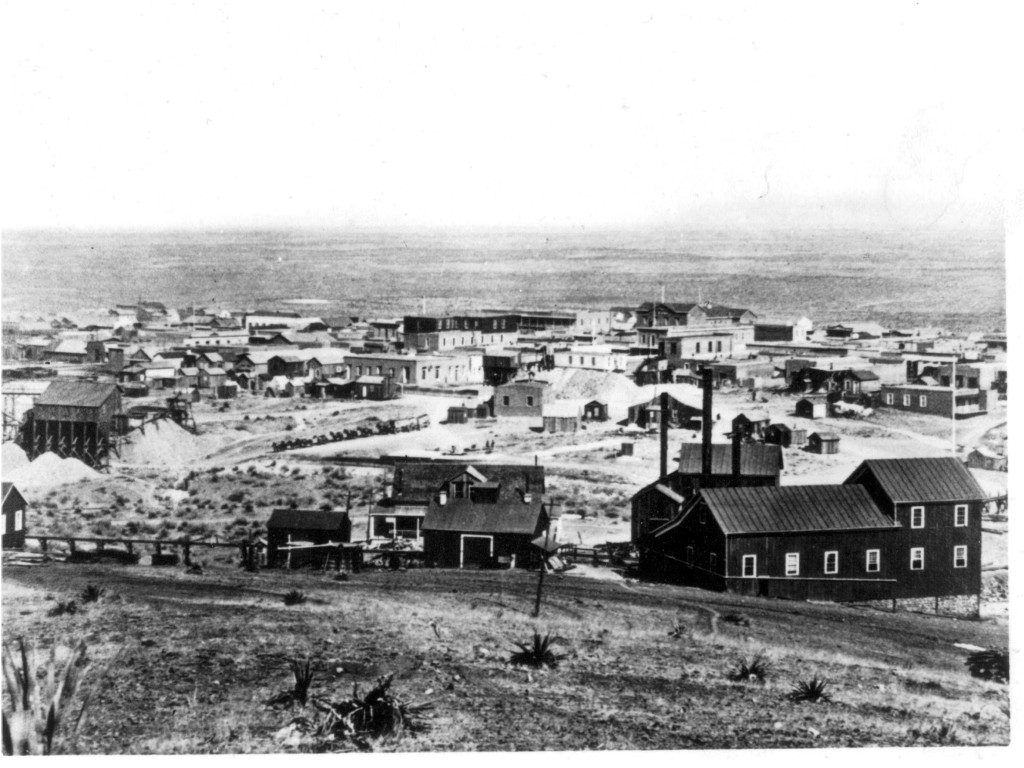
The Rise of the Cochise County Cowboys
The term “cowboy” in the context of Cochise County during the 1880s was synonymous with “rustler” or outlaw. This period in the American West was marked by rapid expansion, economic upheaval, and a lack of effective law enforcement. In this environment, cattle rustling – the theft of livestock – became a lucrative and common crime. The Cochise County Cowboys capitalized on this, operating a sophisticated network of cattle theft, smuggling, robbery, and bribery.
Motivations and Operations:
The motivations behind the formation of the Cochise County Cowboys were multifaceted. Economic opportunity played a significant role; in a time and place where legitimate means of wealth were limited, cattle rustling presented a profitable albeit illegal alternative. The vast, rugged terrain of the Arizona desert provided the perfect backdrop for these activities, allowing the Cowboys to operate with relative impunity.
Additionally, the political and social climate of the time contributed to their rise. The end of the Civil War had left many displaced and disenfranchised. The region was also characterized by a lack of strong governmental structures, and corruption was rampant. This environment allowed groups like the Cochise County Cowboys to thrive, as they often had allies, or at least a blind eye, from local authorities.
Notorious Members of the Cochise County Cowboys
The Cochise County Cowboys, included several notorious figures who left a lasting imprint on the lore of the American Wild West. Among them were individuals whose names became synonymous with lawlessness and violence, particularly during the infamous period surrounding the Gunfight at the O.K. Corral.
Ike Clanton: Perhaps one of the most infamous members, Ike Clanton’s feud with the Earp brothers, especially Wyatt and Virgil Earp, and Doc Holliday, played a central role in the events leading up to the O.K. Corral shootout. Clanton’s cattle rustling activities and his involvement in various criminal endeavors made him a well-known figure in the region.
Tom McLaury: Along with his brother Frank, Tom McLaury was involved in numerous illegal activities typical of the Cowboys, including cattle rustling and robbery. The McLaurys’ conflict with the Earps was a key component of the tensions that led to the O.K. Corral shootout.
Frank McLaury: Frank was known to be more temperamental and aggressive than his brother Tom. His involvement in the Cowboys’ activities and his direct confrontations with the Earps made him a notorious figure.
Billy Clanton: A younger member of the Clanton family, Billy was involved in the family’s criminal activities. His death at the O.K. Corral, alongside the McLaurys, marked a significant moment in the history of the Cowboys.
Curly Bill Brocius: A reputed leader among the Cowboys, Curly Bill was known for his charismatic yet violent nature. He was implicated in several murders and was a key figure in the Cowboys’ opposition to the Earp brothers.
Johnny Ringo: Known for his quick temper and reputed to be a deadly gunman, Ringo was involved in various altercations and crimes in the region. His mysterious death, which some speculate was a suicide while others believe was a murder, adds to his notorious legacy.
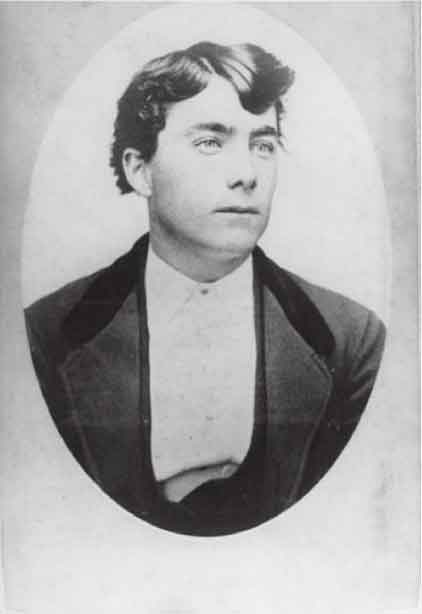
The Gunfight at the O.K. Corral
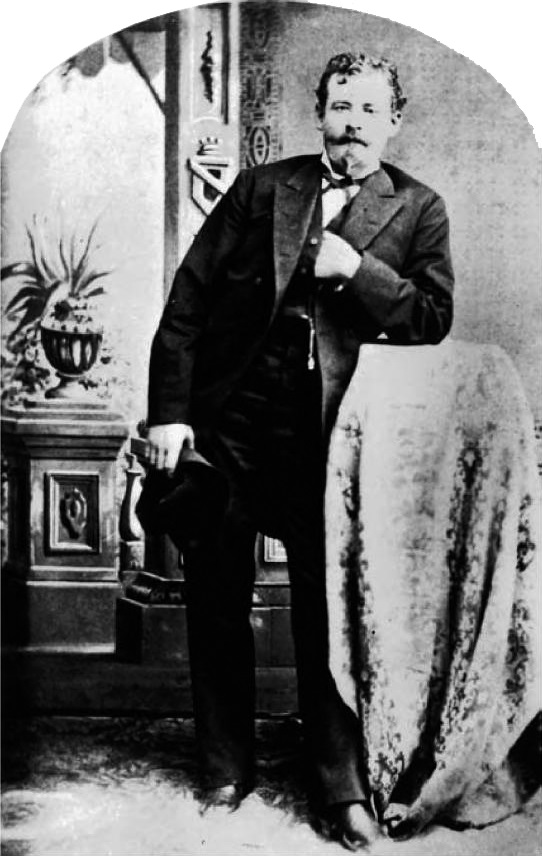
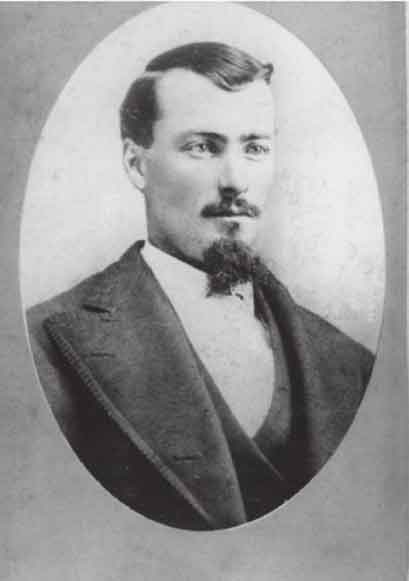
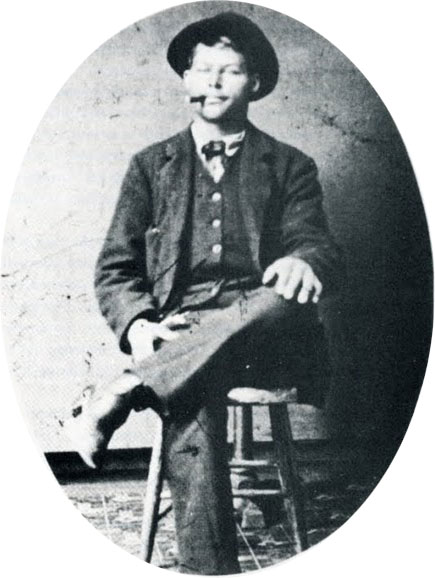
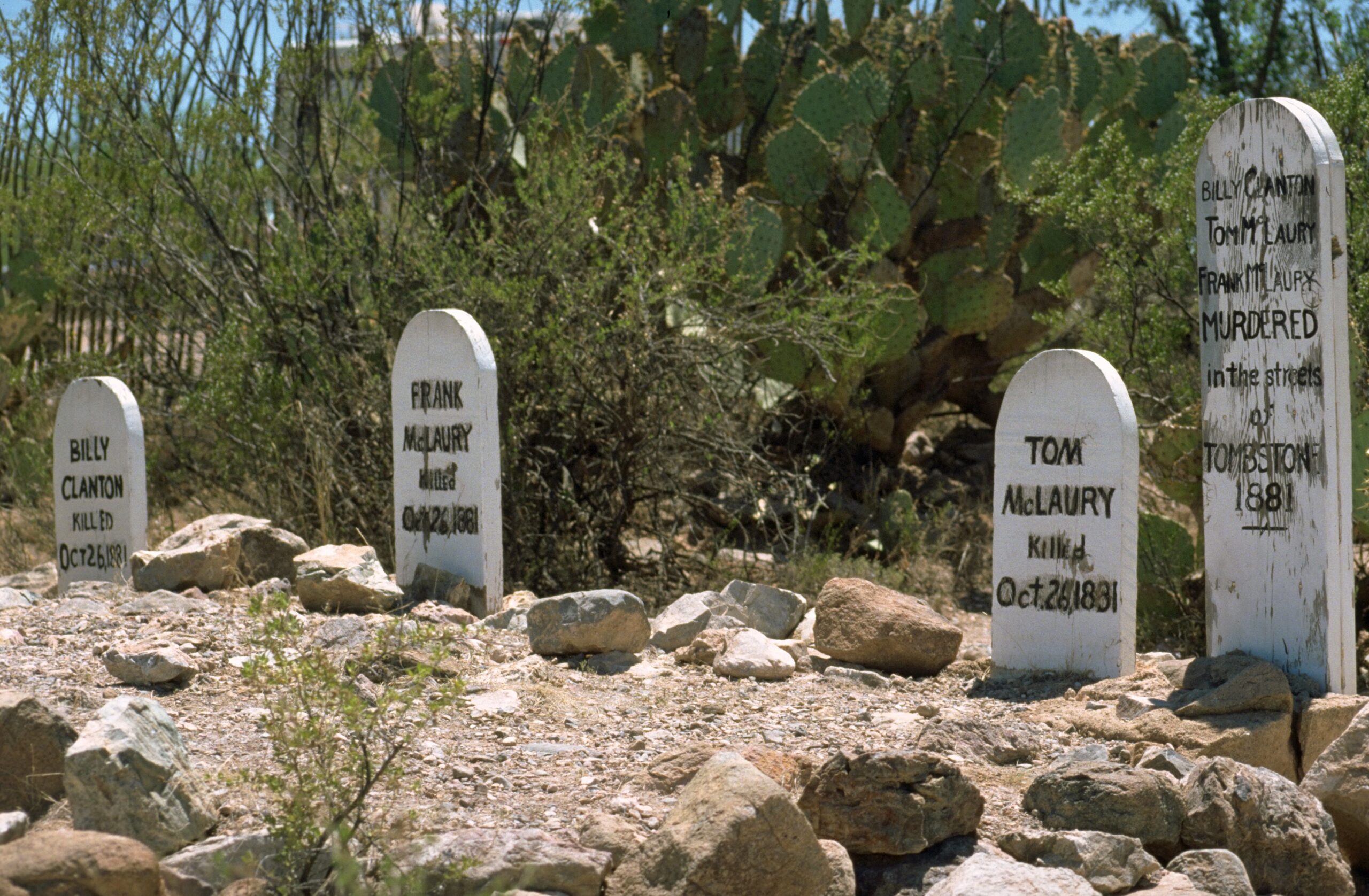
The Gunfight at the O.K. Corral, which took place on October 26, 1881, in Tombstone, Arizona, is one of the most famous events of the Wild West. The Earp brothers (Virgil, Wyatt, and Morgan) and Doc Holliday faced off against members of the Cochise County Cowboys.
The Cowboys involved in the gunfight were:
Tom McLaury
Frank McLaury
Billy Clanton
All three were killed during the shootout. The gunfight was the culmination of a long-standing feud between the Earps, supported by Holliday, and the Cowboys, marked by a series of smaller altercations, accusations, and threats.
What Caused the Gunfight at the O.K. Corral?
The weapon ordinance in Tombstone, Arizona, passed on April 19, 1881, played a pivotal role in the events leading up to the infamous Gunfight at the O.K. Corral. Tombstone, like many frontier towns, grappled with lawlessness and violence, prompting the town’s leadership to enact regulations to help maintain order.
The Weapon Ordinance
Purpose and Nature: The ordinance was aimed at reducing the carrying of firearms and other deadly weapons within the town limits. Tombstone, experiencing a mining boom, had attracted a mix of miners, prospectors, cowboys, and outlaws, leading to a volatile and often dangerous environment. The ordinance was part of an effort to curb the violence and establish Tombstone as a more orderly, civilized town.
Provisions: The ordinance prohibited the carrying of firearms and certain other weapons (like knives and brass knuckles) in the town. Residents and visitors were required to deposit their weapons at a livery or saloon soon after entering town. They could retrieve their arms upon leaving. Law enforcement officers, like the town marshal and deputies, were exempt while in the performance of their duties.
Enforcement: The enforcement of this ordinance was primarily the responsibility of the town marshal and his deputies. Virgil Earp, serving as the town marshal during the period leading up to the O.K. Corral shootout, was a staunch enforcer of this ordinance.
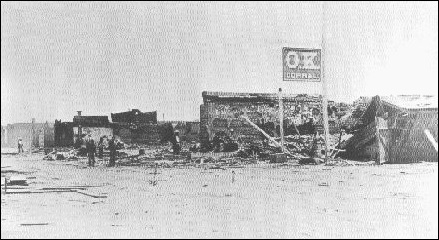
Impact and Controversy
Tensions Leading to the O.K. Corral
The ordinance was a significant factor in the buildup to the Gunfight at the O.K. Corral. The Earp brothers, along with Doc Holliday, confronted a group of Cowboys who were believed to be carrying weapons within the town limits, in violation of the ordinance. This confrontation escalated into the deadly shootout.
Views on the Ordinance
The ordinance was controversial. Some residents saw it as a necessary step towards establishing law and order, while others, particularly those involved in the cattle and mining industries, viewed it as an infringement on their personal liberties and rights.
Legal and Historical Debate
Historians and legal scholars have debated the ordinance’s role in the events of the O.K. Corral. Some argue that the Earps and Holliday used the ordinance as a pretext to confront the Cowboys, while others believe they were genuinely attempting to enforce the law.
The weapon ordinance in Tombstone was more than a simple legal measure; it was a flashpoint in the larger conflict between the lawmen, like the Earps, and the Cowboys. It reflects the broader struggles of frontier towns to establish law and order in a period marked by rapid growth and often violent change. The enforcement of this ordinance and the events that followed at the O.K. Corral have become an enduring symbol of the complexities and challenges of justice in the American Wild West.
Downfall of the Cochise County Cowboys
The downfall of the Cochise County Cowboys was marked by a series of violent events and retaliations, particularly following the infamous Gunfight at the O.K. Corral. The tension between the Earp brothers and the Cowboys escalated into a full-blown vendetta, leading to further bloodshed and the eventual disintegration of the Cowboys as a dominant outlaw force.
The Attack on Virgil Earp
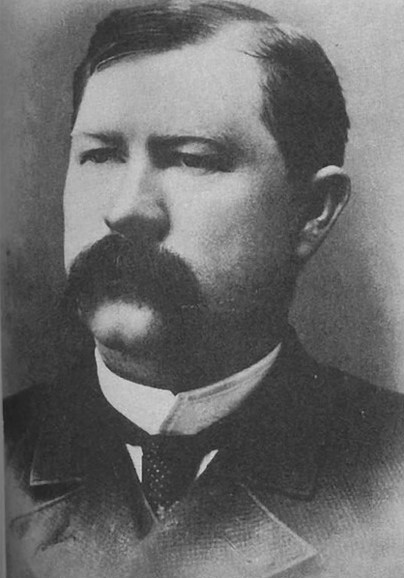
After the O.K. Corral shootout, the Cowboys sought revenge. On December 28, 1881, Virgil Earp was ambushed and maimed by an assassin’s shotgun blast. The attack, believed to be orchestrated by members of the Cowboys, severely injured Virgil, leaving him with a permanently crippled arm. This attack on a lawman intensified the conflict, signaling a dangerous escalation in the feud.
Assassination of Morgan Earp
The situation worsened on March 18, 1882, when Morgan Earp was assassinated. He was killed by an unknown assailant while playing billiards in Tombstone. The murder of Morgan was a direct and personal blow to the Earp family, particularly to Wyatt Earp, who was now driven by a desire for justice or revenge.

Wyatt Earp’s Vendetta Ride
Frustrated by the lack of legal action and the perceived corruption and ineffectiveness of the local authorities, Wyatt Earp took matters into his own hands. He formed a posse, which included Doc Holliday, and embarked on what became known as the Earp Vendetta Ride. Their first act of retaliation was the killing of Frank Stilwell, a Cowboy suspected of being involved in Morgan’s murder, at the Tucson train station.
This act of vigilantism was the beginning of a series of confrontations and killings carried out by Wyatt Earp and his posse. They pursued various members of the Cowboys across the Arizona Territory, seeking retribution for the attacks on Virgil and Morgan Earp.
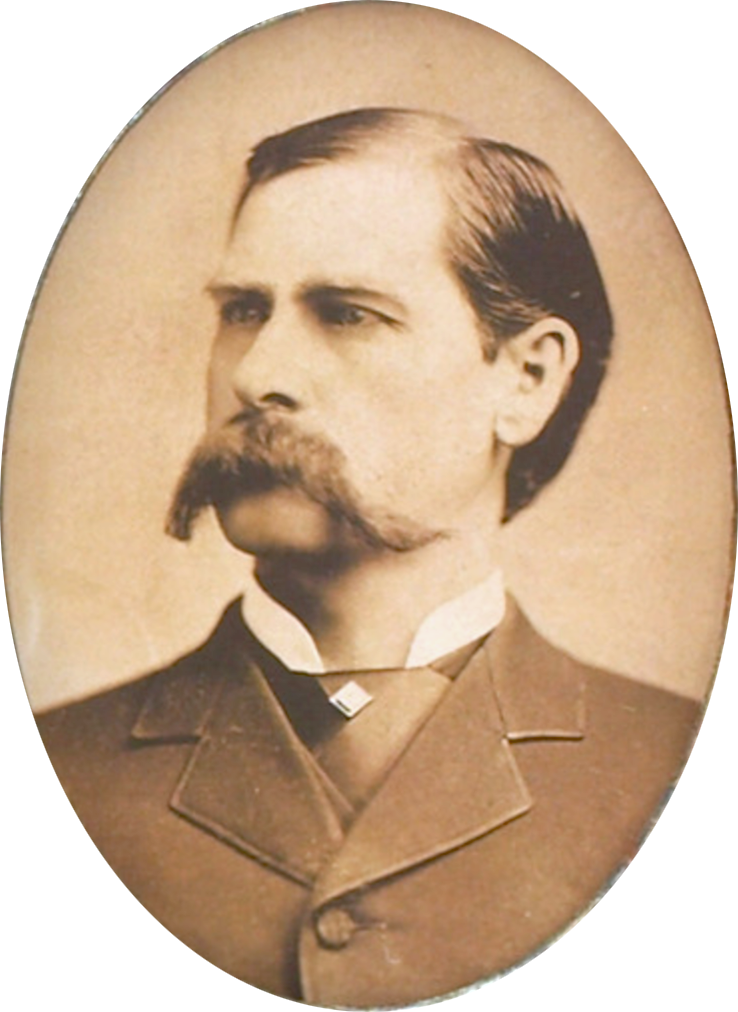
Legal Repercussions and the End of the Vendetta
The Earp Vendetta Ride, while achieving its goal of dismantling the Cowboys’ influence, came with legal consequences. Wyatt Earp, Doc Holliday, and others in their posse were eventually charged with murder after the killing of Frank Stilwell. However, they managed to avoid arrest and left Arizona Territory, thus ending the vendetta.
The pursuit of justice, outside the confines of the law, by the Earps marked a significant turning point in the history of the American West. It represented the complex interplay of justice, revenge, and vigilantism in a region where legal institutions were often ineffective or corrupt.
The violent downfall of the Cochise County Cowboys and the subsequent Earp Vendetta Ride highlighted the lawlessness and chaos of the Wild West era. These events led to the decline of the Cowboys as a significant outlaw force and signaled a shift towards more structured legal and law enforcement systems in the American West. The legacy of these events continues to be a subject of fascination, symbolizing the tumultuous period of American history where the lines between lawmen and outlaws were often blurred.
Legacy
The legacy of the Cochise County Cowboys is complex. On one hand, they are a symbol of the lawlessness and violence of the Wild West. On the other, their story reflects the broader socio-economic challenges of a rapidly changing America. Today, they are a subject of fascination and study, representing a wild yet pivotal chapter in the history of the American frontier.