
Desert parks offer ample opportunity for stargazing and enjoying the night sky away from light pollution found in more populated areas. This weekend the Perseid Meteor Shower will be at it’s peak. Friday and Saturday nights are the best dates to view meteors.
[sc name=”Ad for Content Two”]
Experts say that we can expect approximately 150 meteors per hour. The light from the three-quarter full moon may cancel some out, so the increased rate may not be as noticeable.
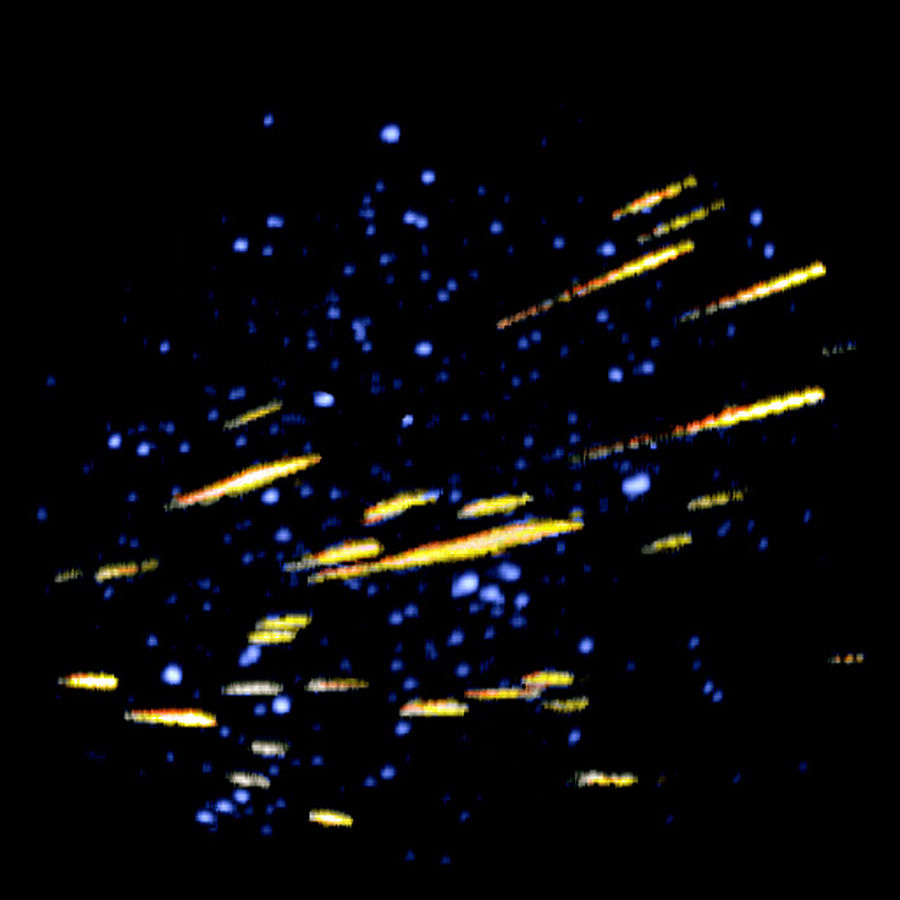
Tips on Watching the Perseid Meteor Shower
- Between July 17th – Aug. 24th Earth will pass through Comet Swift-Tuttle. The densest, dustiest portion of the event occurs on August 12th at 1 PM EDT, which is the peak of the meteor shower.
- The nights of Aug. 11-12th and 12th-13th are the best nights to view the Perseid Meteor Shower, with the best views to be expected predawn on August 12th.
- Find a location away from light pollution. National and State Parks offer some of the best stargazing locations.
- Find a comfortable area to view the night sky. It normally takes 30 minutes for your eyes to adjust to the darkness.
- Take a comfortable portable chair or blanket to sit on and enjoy the night sky.
- Use Red Lights Only – Do not use bright white flashlights, headlamps, or cell phones. It takes 20-30 minutes for the human eye to fully adjust to very low light conditions. Bright lights delay this process. You can turn a regular flashlight into a red light by covering it with red cellophane, tape, fabric, paper, or similar materials. (source NPS)
If you live near one of the the certified International Dark Sky Parks, the park grounds would offer the best conditions for viewing the Perseid Meteor Shower.
These parks are certified by the International Dark Sky Association as dark sky destinations:
Certified IDA International Dark Sky Parks located in the U.S.
- Antelope Island State Park (U.S.)
- Big Bend National Park (U.S.)
- Big Cypress National Preserve (U.S.)
- Black Canyon of the Gunnison National Park (U.S.)
- Canyonlands National Park (U.S.)
- Capitol Reef National Park (U.S.)
- Capulin Volcano National Monument (U.S.)
- Cedar Breaks National Monument (U.S.)
- Chaco Culture National Historical Park (U.S.)
- Cherry Springs State Park (U.S.)
- Clayton Lake State Park (U.S.)
- Copper Breaks State Park (U.S.)
- Dead Horse Point State Park (U.S.)
- Death Valley National Park (U.S.)
- Enchanted Rock State Natural Area (U.S.)
- Flagstaff Area National Monuments (U.S.)
- Geauga Observatory Park (U.S.)
- Goblin Valley State Park (U.S.)
- Grand Canyon National Park (U.S.)
- Grand Canyon-Parashant National Monument (U.S.)
- Great Basin National Park (U.S.)
- Headlands (U.S.)
- Hovenweep National Monument (U.S.)
- Joshua Tree National Park (U.S.)
- Kissimmee Prairie Preserve State Park (U.S.)
- Mayland Earth to Sky Park & Bare Dark Sky Observatory (U.S.)
- Natural Bridges National Monument (U.S.)
- Newport State Park (U.S.)
- Oracle State Park (U.S.)
- Pickett CCC Memorial State Park & Pogue Creek Canyon State Natural Area (U.S.)
- Salinas Pueblo Missions National Monument (U.S.)
- South Llano River State Park (U.S.)
- Staunton River State Park (U.S.)
- Stephen C. Foster State Park (U.S.)
- UBarU Camp and Retreat Center (U.S.)
- Weber County North Fork Park (U.S.)