
Exploring the Thermal Wonders: Hot Springs Across the American Southwest
In the heart of the desert, where the sun paints the sky in hues of fiery orange and gentle dusk, lies a secret as old as time itself. These are the lands where the earth whispers its ancient tales through the steam and murmur of hot springs. For centuries, these natural thermal waters have woven their stories into the fabric of the desert, creating an intriguing tapestry as varied and captivating as the landscape that cradles them. From the hallowed rituals of ancient inhabitants to the awe-struck explorations of modern-day seekers, hot springs in the desert region have been silent witnesses to the passage of time, holding within their warm embrace a history as rich and fluid as their healing waters.

What are Hot Springs
Hot springs are natural pools of water that are heated geothermally, a fascinating phenomenon where the Earth’s internal heat warms groundwater. They are formed when water deep beneath the Earth’s surface is heated by molten rock or magma. This heated water then rises through cracks and fissures in the Earth’s crust, emerging as hot springs. The temperature of these springs can vary widely, often depending on how deep the water has traveled. In some cases, the water can be heated to boiling temperatures, while in others, it remains pleasantly warm, perfect for bathing.
Hot Springs Ecosystems
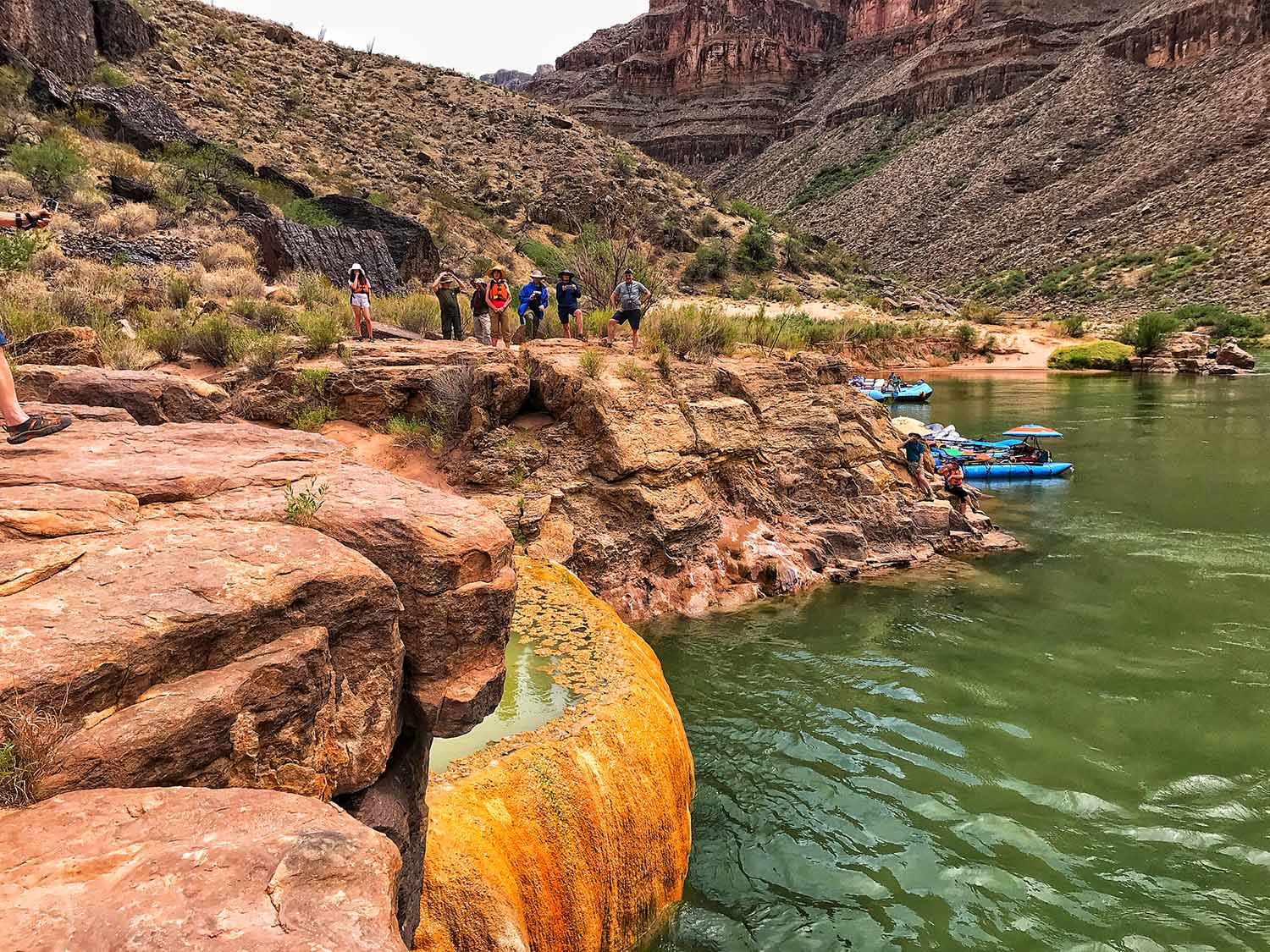
In the stark yet vibrant desert biome, hot springs emerge as vital oases, creating unique ecosystems in these arid landscapes. These thermal waters are not just scenic retreats for humans; they form crucial habitats for a variety of wildlife, especially in regions where water is a scarce commodity. Around these springs, one can often find an unexpected abundance of life, ranging from moisture-loving plants to a diverse array of animals. The constant flow of warm water supports lush vegetation, which in turn attracts insects, birds, and mammals. These areas become biodiversity hotspots, with the vegetation around the springs often differing markedly from the typical desert flora, featuring reeds, rushes, and other water-tolerant plants. This verdant growth provides food and shelter for desert wildlife, creating a microhabitat that supports life even in the harshest conditions.
The hot spring ecosystems are also remarkable for hosting unique species that are specially adapted to the thermal environment. Some hot springs harbor endemic microorganisms known as thermophiles, which thrive in high-temperature conditions. These microorganisms are not just fascinating in their heat tolerance; they are also studied for their potential in various scientific applications, including DNA research.
In some hot springs, one might find specific species of algae that give the water vibrant colors, ranging from bright greens to deep oranges, depending on the mineral content and temperature. Amphibians like frogs and salamanders are also common residents, with some species being entirely unique to these thermal waters. Fish, too, can be part of these ecosystems, with certain species adapted to survive in the warmer water. The presence of these diverse life forms makes desert hot springs not just a natural wonder but also a critical area for biological research and conservation, offering insights into the resilience and adaptability of life in extreme conditions.
Mineral Content of Hot Springs
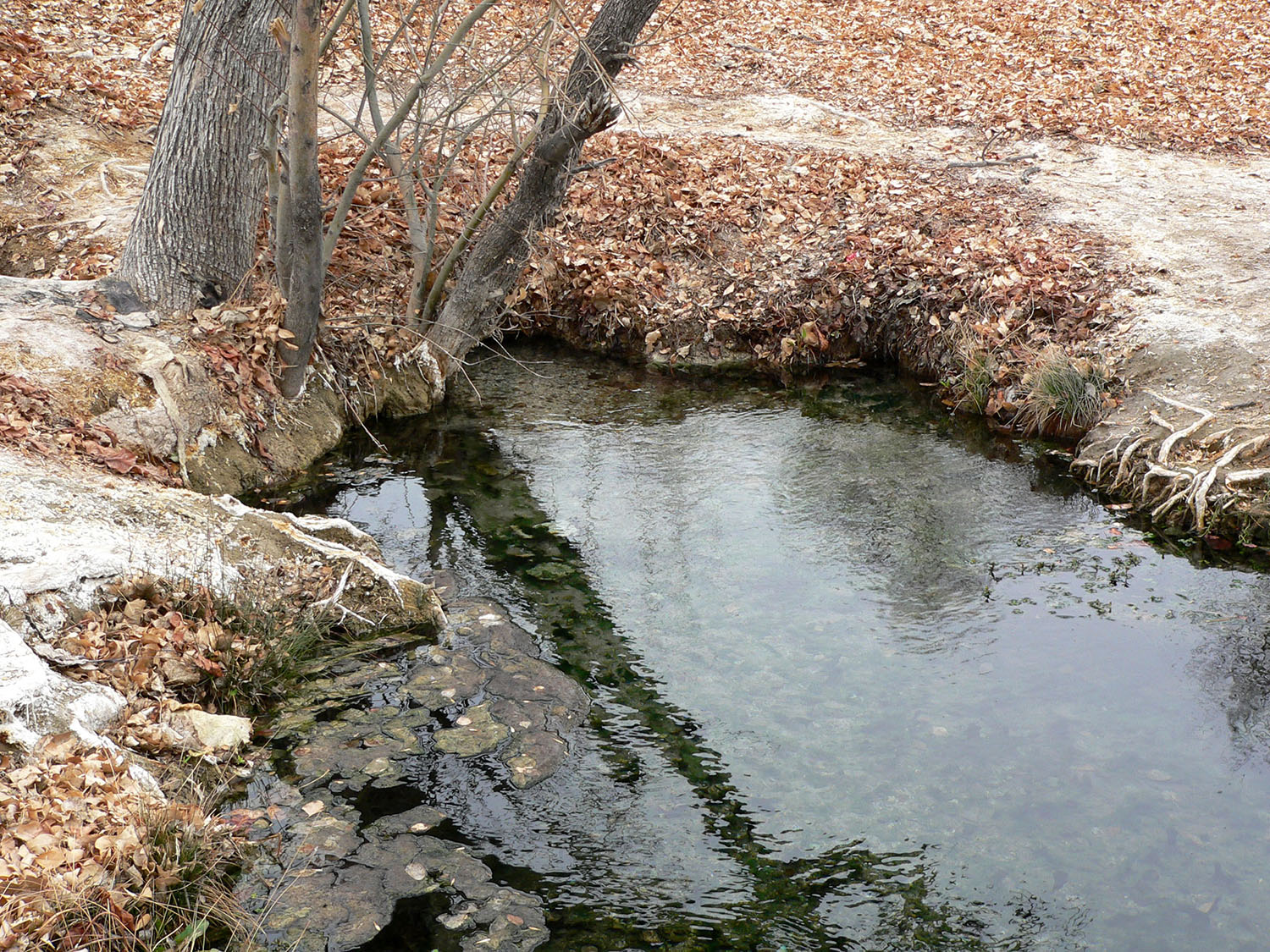
The “hot” in hot springs is not just about temperature; it’s also about the rich mineral content these waters often possess. As the water travels through the Earth’s crust, it dissolves minerals from the rocks, becoming a natural mineral bath.
Healing Waters
Hot springs have been sought after for centuries for their therapeutic properties, a natural remedy embraced by diverse cultures around the world. The healing power of these springs largely stems from their rich mineral content, which can include elements like sulfur, magnesium, calcium, and lithium. Each mineral plays a role in addressing various health concerns. For instance, sulfur, commonly found in hot springs, is renowned for its benefits in treating skin ailments such as psoriasis, eczema, and acne. It is also believed to alleviate conditions like arthritis and fibromyalgia due to its anti-inflammatory properties. Magnesium, another prevalent mineral in hot spring water, is essential for muscle function and can help relieve chronic pain, muscle cramps, and even reduce stress and anxiety.
People with respiratory issues often find relief in the steamy environs of hot springs, as the warm, moist air can help clear sinuses and improve breathing. The heat and buoyancy of the water are also therapeutic, aiding in improving circulation and promoting relaxation, which is beneficial for those with high blood pressure or cardiovascular problems. Additionally, the tranquil and natural settings of many hot springs contribute to mental health benefits, offering a serene escape that can help reduce symptoms of stress and depression. The combination of mineral-rich water, heat, and a peaceful environment makes hot springs a holistic healing retreat for a multitude of physical and mental ailments, providing a natural oasis for rejuvenation and recovery.

Indigenous Heritage and Discovery
In the arid desert regions of the American Southwest, indigenous peoples have long revered and utilized hot springs, not only as vital sources of water but also as integral components of their cultural and spiritual practices. The scarcity of water in these deserts made every natural water source precious, and hot springs were no exception. For many Native American tribes, these springs were more than mere hydration points; they were communal hubs, places of healing, and sacred sites for ritual practices. The thermal waters, often rich in minerals, were believed to possess healing qualities, offering relief from physical ailments and serving as a natural sanctuary for spiritual rejuvenation.
Among the numerous tribes, specific examples of this deep connection abound. The Cahuilla tribe in California, for instance, used the hot springs in the Coachella Valley not just for drinking and cooking, but also for bathing, believing the waters could treat diseases and injuries. In New Mexico, the Tewa people regarded the Ojo Caliente Mineral Springs as a place of healing, using the different mineral waters for various therapeutic purposes. The Apache and Navajo tribes also had profound ties to hot springs, viewing them as sacred sites where they could connect with the spiritual world. These springs were often the settings for ceremonial practices, including purification rituals and rites of passage. Such uses underscore the multifaceted roles hot springs played in the lives of Native Americans – as sustenance providers, natural healers, and spiritual sanctuaries, deeply woven into the fabric of their cultural and everyday lives.
Excerpt from the Spa Resort & Casino article : A Look Back in Time.
For more than 2,000 years, the Agua Caliente Band of Cahuilla Indians has viewed the natural hot springs located below the present day hotel at Spa Resort Casino in Palm Springs to be a place of power and healing.
However, it was not until a United States government survey in 1853 that the spring took on new meaning — as a place for tourism and profit, based on the healing properties of the waters and the area’s dry desert air. What they the Tribe didn’t know then was that the healing waters would also prove to be the key to their economic success.
In the late 1880s, the first of three bathhouses was built, drawing visitors from far and wide to soothe their ailments in the natural mineral waters. Over the next 100 years, the Tribe would lease and sometimes manage the property, as it grew from a dusty spring-fed stream into a gleaming Hollywood hangout.

European Discovery and Development
The European discovery of these hot springs often came much later, during the 19th and early 20th centuries, as settlers moved westward. One of the most famous hot springs areas in California is Desert Hot Springs, located in the Coachella Valley. This area was more widely recognized for its hot springs after Cabot Yerxa, a homesteader and explorer, discovered hot and cold aquifers in the area in the early 20th century. His discovery led to the development of Desert Hot Springs as a health and wellness destination.
California Hot Springs
Desert Hot Springs
Known for some of the purest hot and cold mineral springs in the world, this area became a popular health resort destination in the mid-20th century. The hot springs here are renowned for their high mineral content, particularly magnesium and lithium, which are believed to have therapeutic effects. Read more about Desert Hot Springs, CA.
Agua Caliente Hot Springs
Located in the Agua Caliente Indian Reservation, these hot springs were historically used by the Agua Caliente Band of Cahuilla Indians. The tribe continues to manage these springs, which are part of a larger cultural and environmental preservation effort.
Willett Hot Springs
Situated in the Los Padres National Forest, these springs were discovered and used by settlers and travelers during the westward expansion. They remain a popular backcountry destination.
Famous Arizona Hot Springs
Castle Hot Springs
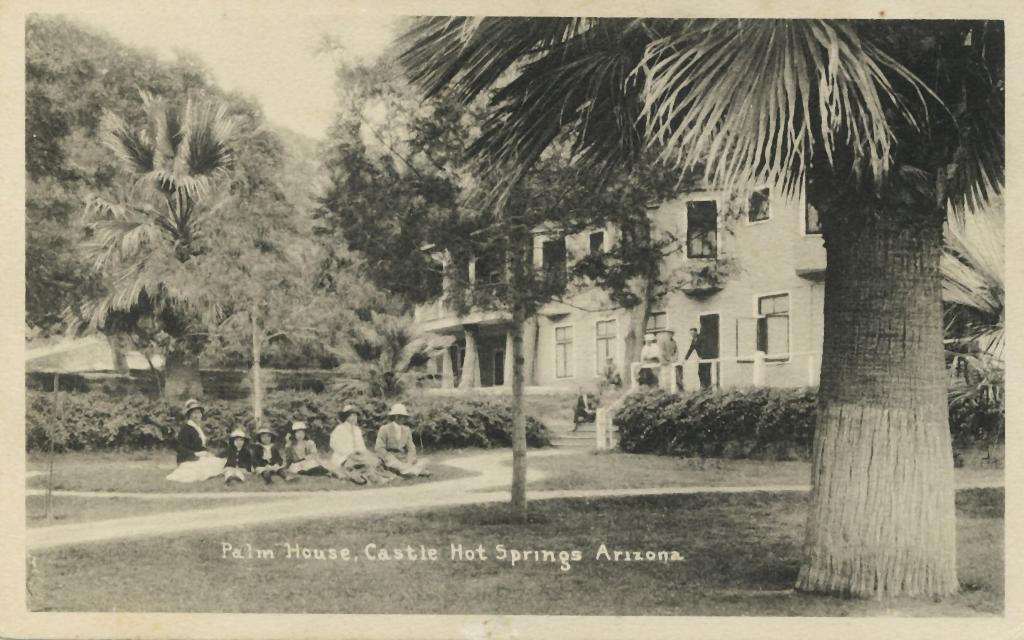
Perhaps the most famous in Arizona, Castle Hot Springs, located north of Phoenix, was discovered in the late 19th century. By the early 20th century, it had become a luxurious resort, attracting wealthy visitors and even serving as a rehabilitation center for wounded soldiers during World War II. The springs are known for their high mineral content, particularly lithium.
Verde Hot Springs
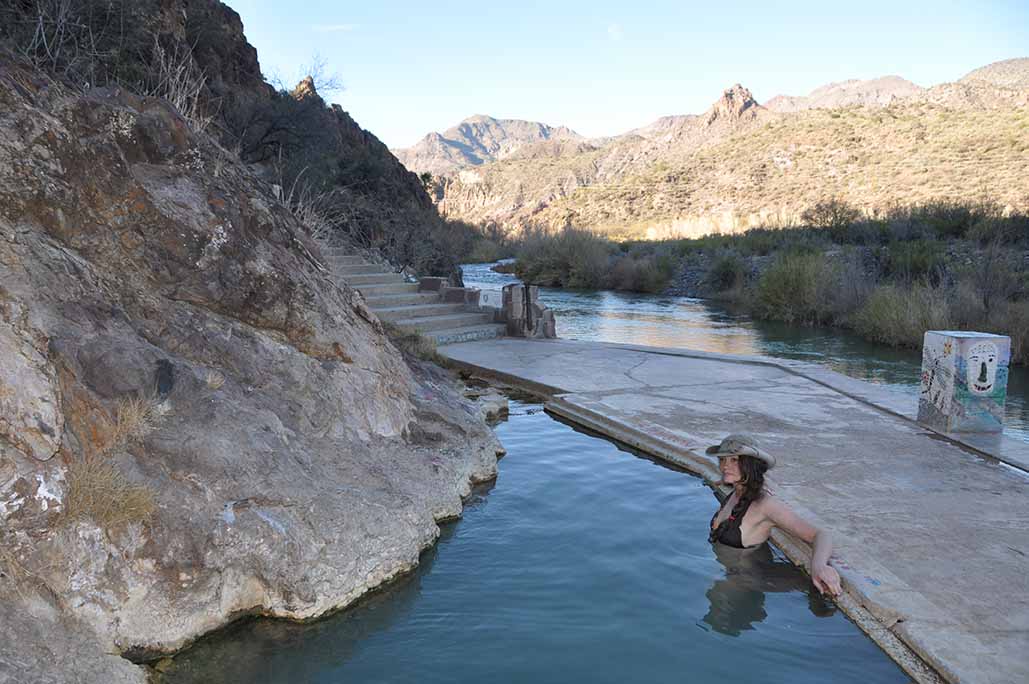
Once part of a resort built in the 1920s, these springs are located near the Verde River. The resort was destroyed by a fire in the 1960s, but the springs remain a popular destination for those willing to hike through the rugged terrain.
Essence of Tranquility and Kachina Mineral Springs
Located in Safford, these hot springs are known for their therapeutic properties. They have been developed into more modern spa facilities but retain the natural charm and healing qualities of the springs.
Utah Hot Springs
Mystic Hot Springs
Located in Monroe, these hot springs are known for their large, bathtubs-like pools and rustic, hippie vibe.
Fifth Water Hot Springs (Diamond Fork Hot Springs)
Situated in Spanish Fork Canyon, these springs feature several soaking pools and a scenic waterfall.
Crystal Hot Springs
Near Honeyville, these springs are known for having one of the highest mineral contents of any natural hot spring.
Homestead Crater
Located in Midway, this unique geothermal spring is inside a 55-foot tall, beehive-shaped limestone rock.
New Mexico Hot Springs
Ojo Caliente Mineral Springs
One of the oldest health resorts in North America, located in Ojo Caliente, known for its unique combination of four different mineral waters.
Riverbend Hot Springs
Offers a picturesque view of the Rio Grande in Truth or Consequences, with both public and private soaking options.
Jemez Springs
A small village in the Jemez Mountains, known for its natural hot springs along the Jemez River.
Blackstone Hotsprings
Also located in Truth or Consequences, it offers luxurious soaking tubs in a private setting.
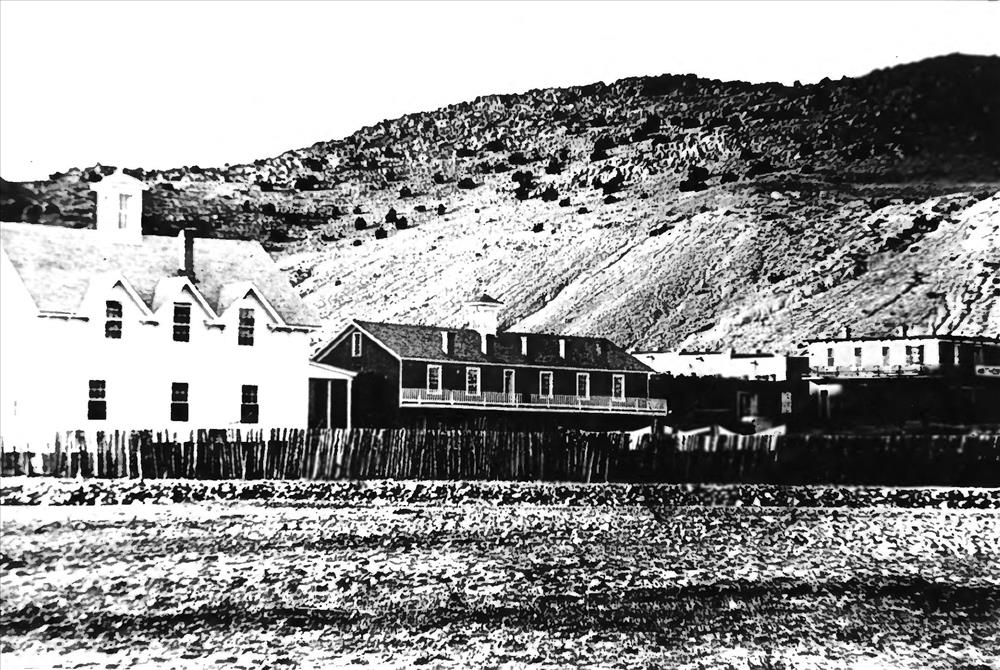
Nevada Hot Springs
Spencer Hot Springs
Located in the heart of central Nevada’s scenic open range near Austin, known for its rustic, natural setting.
Gold Strike Hot Springs
Near Boulder City, these springs are a popular hiking destination with several pools.
12 Mile Hot Springs (Bishop Creek Hot Springs)
Situated near Wells, this large, natural hot spring pool offers a scenic view.
Ash Springs
A small, warm spring located in the Pahranagat Valley, north of Las Vegas.
Texas Hot Springs
Chinati Hot Springs
Located near Marfa in West Texas, known for its remote and serene setting.
Krause Springs
In Spicewood, this privately-owned site offers both man-made and natural pools in a picturesque Hill Country setting.
Langford Hot Springs (Boquillas Hot Springs)
Located in Big Bend National Park, these springs are known for their historical significance and riverside location.
Balmorea State Park
While not a traditional hot spring, it’s a natural artesian spring pool located in the desert of West Texas, offering a unique swimming experience.
Each of these hot springs offers a unique experience, from rustic, natural settings to more developed, spa-like environments. They are popular destinations for relaxation, adventure, and experiencing the natural beauty of the American Southwest and West.
Modern Use and Preservation
Today, these hot springs are not only destinations for those seeking relaxation and health benefits but also sites of historical and cultural importance. Many of the springs are located on protected lands, including national parks and Native American reservations. This ensures their preservation not only as natural wonders but also as cultural heritage sites.
Efforts by Native American tribes and conservation groups continue to focus on preserving the natural environment of the hot springs and educating the public about their historical and cultural significance. These hot springs serve as a reminder of the region’s rich history, from the ancient practices of the Native Americans to the health-seeking journeys of modern visitors.