The Honeybees
The Honeybees' Role in Agriculture
by Jay W. Sharp
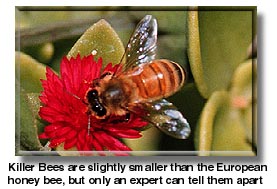
The Honeybee and Agriculture
“Honeybees,” authority May Berenbaum told the House Agriculture Committee’s Subcommittee on Horticulture and Organic Agriculture in hearings in March of 2007, “are in effect six-legged livestock”.
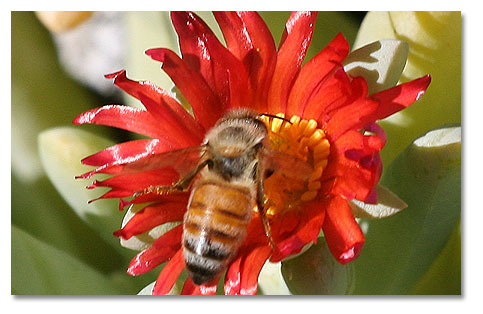
“Honeybees,” authority May Berenbaum told the House Agriculture Committee’s Subcommittee on Horticulture and Organic Agriculture in hearings in March of 2007, “are in effect six-legged livestock that both manufacture agricultural commodities – honey and wax – and, more importantly, contribute agricultural services—pollination.” (The honeybee pollinates – and therefore fertilizes – plants by transporting pollen grains to female floral parts.) In the United States, “Close to 100 crop species…rely to some degree on pollination services provided by this one species—collectively, these crops make up approximately 1/3 of the U. S. diet, including the majority of high-value crops that contribute to healthy diets.”
“Honeybees,” long-time beekeeper Gene Brandi told the subcommittee, “are a critical component of the nation’s agricultural economy.”
Long-time Beekeeper Gene Brandi
“Honeybees,” long-time beekeeper Gene Brandi told the subcommittee, “are a critical component of the nation’s agricultural economy. The pollination work of honeybees increases the yield and quality of United States crops by approximately $15 billion annually, including over $6 billion in California. The California almond crop alone [80 percent of the world’s supply] is worth over $2 billion and is dependent on nearly 1.4 million honeybee colonies from across the nation to set this crop.” Across the U. S., including our desert Southwest, the honeybee pollinates dozens of the nation’s major crops, including fruits, vegetables and livestock feeds.
“At one time,” the nation’s largest beekeeper, Richard Adee, told the congressional subcommittee, “honey drove this industry. Now it’s pollen. Every third bite we take is from a bee-pollinated nut or flower.”
“Farmers and beekeepers across the country,” said Subcommittee Chairman Dennis Cardoza, “are dependent on honeybees for their livelihoods.”
In addition to agricultural crops, the honeybee pollinates many of the native plants that serve as habitat and food sources for our wildlife across the nation, helping sustain the vigor and diversity of our environment.



Killer Bees - Africanized bees
Carpenter Bees
Discover the World Of Insects
Plants & Wildlife Links
Insects and Spiders
Related DesertUSA Pages
- How to Turn Your Smartphone into a Survival Tool
- 26 Tips for Surviving in the Desert
- Death by GPS
- 7 Smartphone Apps to Improve Your Camping Experience
- Maps Parks and More
- Desert Survival Skills
- How to Keep Ice Cold in the Desert
- Desert Rocks, Minerals & Geology Index
- Preparing an Emergency Survival Kit


Share this page on Facebook:
The Desert Environment
The North American Deserts
Desert Geological Terms


